Guide to Finding the Correct General Contractor for Your Next Home Project
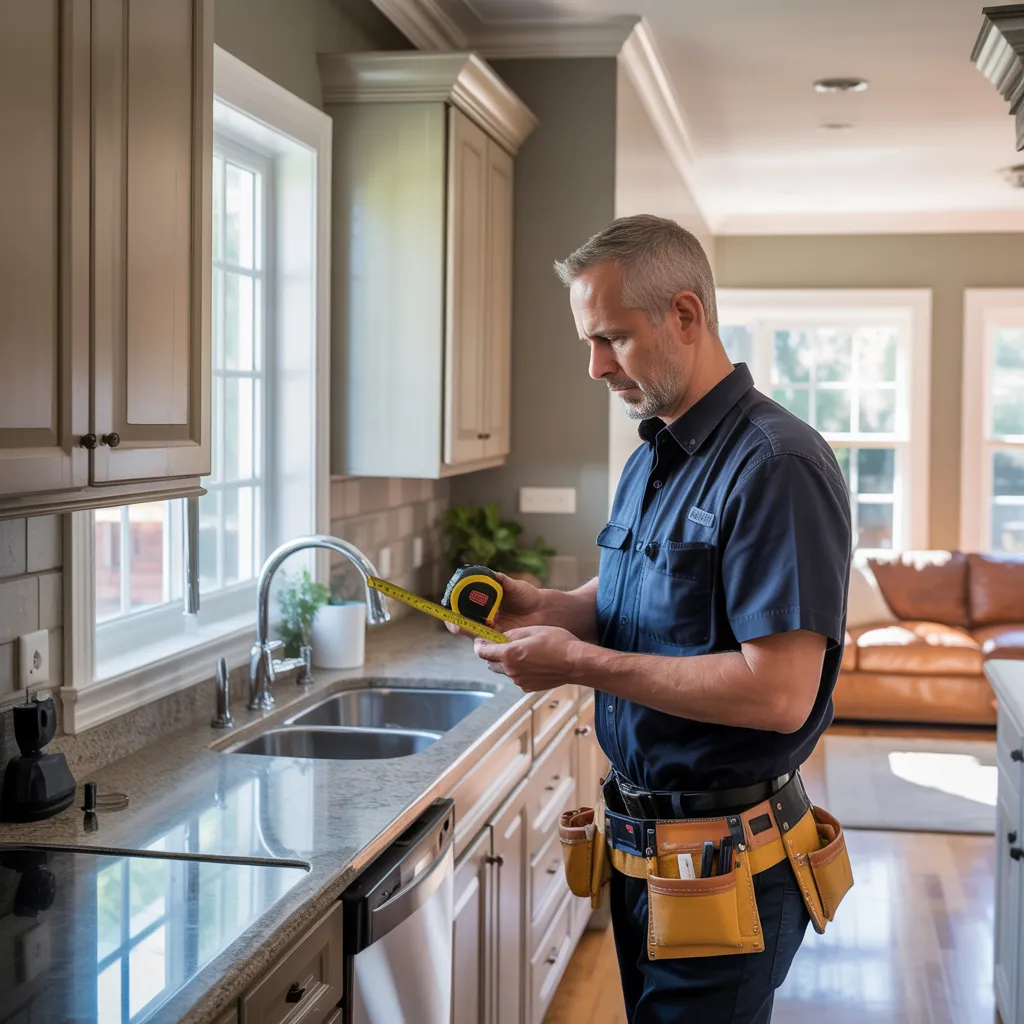
Determining the best general contractor for a residential undertaking is an important determination. This requires thorough analysis of assorted elements, including expertise, certifications, and communication abilities. Numerous homeowners disregard key considerations, causing expensive errors. Grasping how to appraise candidate contractors can make considerable difference. By emphasizing primary standards and posing appropriate questions, you can work through this multifaceted process more successfully. What are the key steps to guarantee a rewarding partnership?
How to Sidestep Common Pitfalls When Selecting a Builder
When hiring a builder, how can one manage the numerous of options without falling into typical mistakes? Prospective clients often overlook important elements that can result in unsatisfactory outcomes. First, considering price alone can try now be unreliable; the cheapest offer may reflect poor standards or hidden costs. Additionally, failing to verify recommendations or digital evaluations can cause engaging an untrustworthy builder. It is also essential to avoid making decisions based on charisma alone; a personable contractor may not have the right qualifications or dependability. Moreover, not setting clear communication and goals can cause confusion and disappointment. Finally, not reviewing contracts thoroughly before signing can cause unforeseen responsibilities or insufficient safeguards. By being vigilant and informed, homeowners can make wiser decisions, finally achieving a positive result.
Guide to Recognizing a Contractor's Capabilities
When evaluating a contractor's expertise, several key factors matter. Relevant project experience, industry certifications, and an extensive portfolio of completed work function as essential markers of their competencies. Evaluating these factors can supply helpful understanding into the contractor's suitability for the specific project at hand.
Applicable Project Background
Grasping a contractor's relevant experience is essential for ensuring the accomplishment of any building venture. Future clients should evaluate the contractor's portfolio, emphasizing on completed projects equivalent in scope and style to theirs. This entails examining the quality of work, adherence to deadlines, and budget management in previous undertakings. Additionally, it is beneficial to request about the types of products utilized and the contractor's understanding with local codes and regulations. Feedback and references from previous clients can provide insights into the contractor's reliability and communication skills. At the end of the day, a contractor with significant pertinent experience can manage problems effectively, guaranteeing the project fulfills the homeowner's expectations and standards.
Trade Certifications And Permits
Certification and licensing function as critical markers of a contractor's professional competence and skill in the construction industry. When selecting a general contractor, it is vital to confirm that they possess the required permits required by local and state regulations. These licenses demonstrate adherence to building codes and safety standards. Additionally, industry certifications, such as those from the National Association of Home Builders or similar organizations, indicate a contractor's commitment to quality and ongoing education. Contractors with specialized certifications may also have skills in specific areas, such as green building or remodeling. Ensuring that a contractor has the appropriate credentials not only enhances confidence in their capabilities but also reduces potential legal and financial risks during the project.
Portfolio Of Done Work
A service provider's portfolio containing executed work functions as an key asset for measuring their experience and competencies. This selection must feature a mix of projects that illustrate range across various styles and levels of complexity. When examining a portfolio, potential clients should search for high-quality photographs that clearly capture the skill involved. It is also helpful to see projects that align with the homeowner's specific needs or style choices. Attention to detail, innovative solutions, and sticking to timelines are vital signs of a contractor’s expertise. Additionally, client testimonials or case studies included in the portfolio can provide greater insights into the contractor's work ethic and reliability. Ultimately, a strong portfolio can assist homeowners in making educated choices about their future projects.
Steps to validate Your Contractor's Credentials and Permits
Begin by verifying a general contractor's qualifications and certifications before engaging them, as this proves crucial to verify they satisfy industry standards. Begin by reviewing with state licensing agencies to ensure that the contractor maintains the required permits for your area and project type. Because each state has its own regulations, familiarizing yourself with them will avert future issues.
Additionally, seek information regarding insurance coverage, encompassing liability and workers' compensation, to confirm coverage against unforeseen accidents or damages. Solicit references from former clients and verify to determine satisfaction and trustworthiness.
In conclusion, evaluate any certifications the contractor may maintain, as these often suggest expert knowledge and respect for industry best practices. A rigorous verification process not only confirms compliance but also builds confidence in the contractor's ability to complete the project successfully.
Why Clear Communication Matters in Your Contractor Connection
Dialogue that is strong is fundamental in the contractor-client relationship, determining the project's outcome from the beginning. Transparent conversation establishes expectations, timelines, and budgets, making certain both parties are aligned on the project's goals. When clients articulate their vision with clarity, contractors can provide well-informed suggestions and solutions, boosting the overall result.
Regular check-ins and transparent dialogue enable rapid handling of problems as they occur, reducing possible setbacks. Furthermore, a contractor who pays attention and responds to customer input builds confidence, which is crucial for teamwork.
Moreover, strong communication aids in addressing changes and unexpected challenges, ensuring the initiative on schedule. It enables the builder to adapt strategies based on client suggestions, guaranteeing approval across all phases. In the end, focusing on engagement not only solidifies the professional-client bond but also greatly aids in the effective completion of the home renovation.
Fundamental Questions to Request of Your Contractor in Initial Discussions
At early meetings with a contractor, clients need to give priority to understanding their qualifications and background. It's essential to ask about the project timeline and budget to confirm alignment with the client's expectations. These questions set up a foundation for a effective partnership and organized project management.
Experience and Credentials
Deciding on a general contractor rests on understanding their experience and aptitude. Homeowners should probe the contractor's years in the industry and the types of projects they have executed. Essential inquiries about legal permissions, certifications, and insurance are critical, as these guarantee adherence to local codes and protect throughout the project timeline. In addition, reviewing past work through portfolios or contacts can deliver understanding into the contractor's workmanship and stability. It is also wise to ask about their experience with related works, as this can signal their proficiency to handle specific challenges. Ultimately, analyzing a contractor's background and skills inspires assurance and helps homeowners select the best option for their home work.
Project Timetable and Budget
How can property owners guarantee their undertaking remains on track financially and temporally when meeting with a construction contractor? To maintain alignment, they should ask significant questions during initial meetings. Property owners must ask about the projected schedule for work completion of the project and any potential delays that could arise. Comprehending the contractor's method to managing schedules is crucial. Additionally, discussing finances upfront is vital; homeowners should seek clarity on pricing estimates, payment plans, and any built-in contingency funds for unexpected costs. Asking about previous projects can provide insight into the contractor's dependability in hitting timelines and staying within budget. By creating open dialogue regarding schedules and budgets, property owners can foster a productive relationship with their contractor, improving the probability of a successful project.
Tips for Verifying References and Reading Reviews
What measures should one follow to ensure a general contractor is trustworthy? First, it is important to request a list of references from potential contractors. A established contractor will readily provide names and contact information of previous clients. One should call these references to question their experiences, emphasizing aspects such as communication, quality of work, and adherence to timelines.
Additionally, reading online reviews on platforms like Google, Yelp, or Angie's List can offer valuable insights. It is important to look for trends in the reviews—consistent praise or criticism can indicate dependability or possible problems.
Additionally, reviewing for any complaints filed with local regulatory bodies or consumer protection agencies can expose a contractor's background. Finally, asking for current project photographs can help evaluate the quality of their labor. By adopting this approach, one can render a more informed decision when choosing a general contractor.
Grasping Independent Professional Cost Structure and Payment Terms
Homeowners should also familiarize themselves with common payment terms. Most contractors require a upfront deposit, followed by staged payments tied to project milestones. It's essential to clarify these terms before entering into an agreement to avoid misunderstandings. Additionally, homeowners should inquire about extra expenses, such as licenses or unexpected repairs. Clear communication regarding pricing and payment terms will foster a transparent working relationship, ultimately resulting in a favorable project completion. Understanding these elements enables homeowners to choose wisely when selecting a general contractor.
Often Common Questions
How much time will the project take to complete?
The timeline of the project tends to vary according to complexity and scope. In general, completion may require multiple weeks or several months. Weather conditions, availability of materials, and labor availability can greatly impact when the project finishes.
What Happens if Unforeseen Challenges Arise During Construction?
If unforeseen problems arise during building, the contractor usually evaluates the situation, communicates with the property owner, and proposes solutions. Modifications to the timeline and costs may be required, ensuring openness throughout the project.
Will My Project Require Permits or Inspections?
The majority of initiatives need permits and inspections to assure compliance with local building codes. It is important to engage a general contractor who grasps these mandates, as they can handle the permitting process skillfully.
How Do Subcontractors and Their Payments Handled in Your Process?
A credible general contractor oversees subcontractors by creating clear contracts specifying payment terms. They ensure prompt payment, keep open communication, and monitor sub-contractor productivity, promoting a cooperative setting that contributes to project success and efficiency.
What Is Your Policy on Project Changes or Upgrades?
The contractor takes a dynamic stance toward scope modifications, requiring written documentation for any upgrades. They provide explicit dialogue, assess financial effects, and recalibrate timelines as appropriate to accommodate the client's developing requirements and desires.